


MASTER OF GRAPHIC DESIGN
& DIGITAL MEDIA — 1 Year
FIDI : DESIGN SCHOOL IN FLORENCE, ITALY
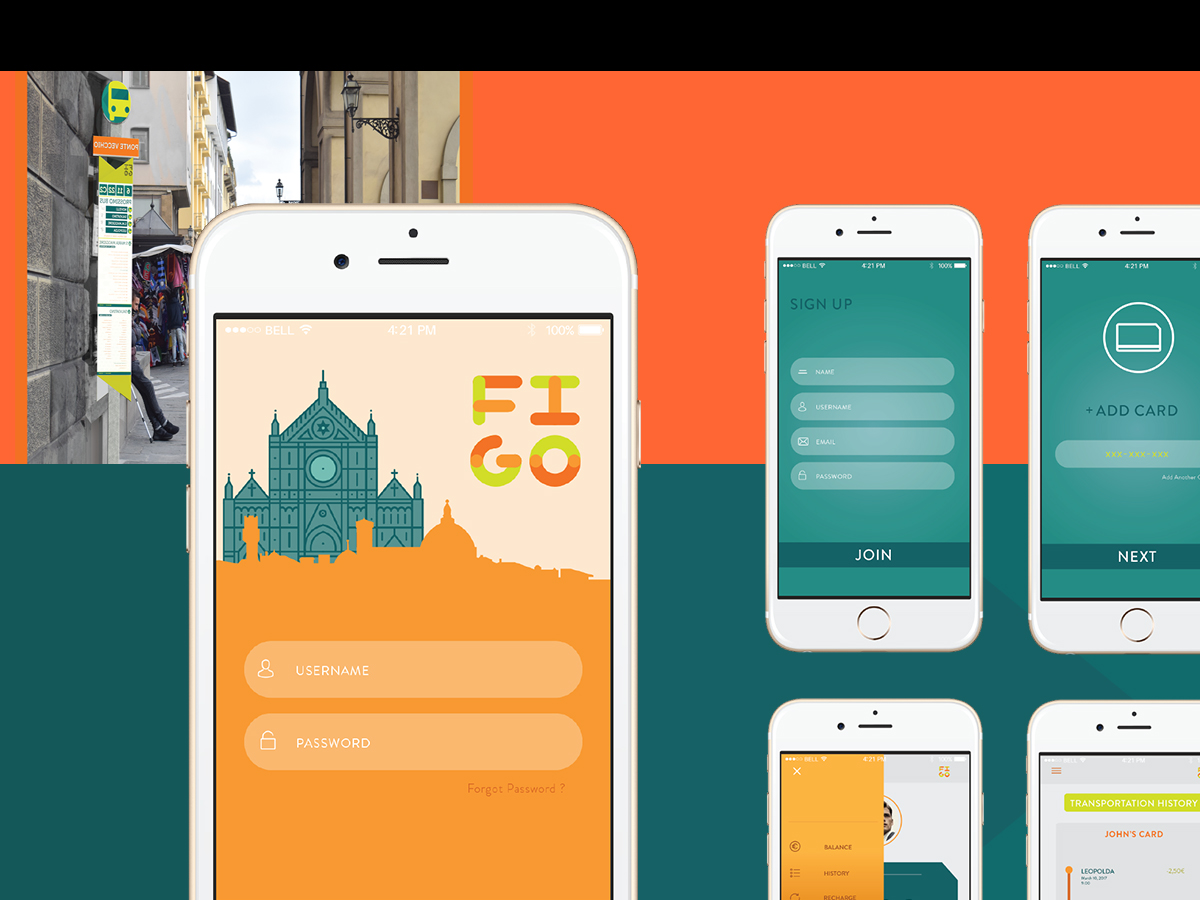
The Master of Graphic Design & Digital Media, taught entirely in English, is an intensive program for graduates and young professionals seeking a specialization course in contemporary graphic design. The program combines graphic design, visual communication and digital media, allowing students to develop sophisticated design solutions across traditional and emerging forms of visual communication. Students undertake advanced projects involving branding, visual identity, typography, digital communication, interactive media, illustration and multimedia, developing projects from initial research and concept development through to professional visual outcomes. The program places particular emphasis on creative conceptual thinking, individual design development and the integration of contemporary digital technologies within graphic design practice. Through studio projects and advanced technical courses, students develop their ability to respond critically to design briefs, explore different forms of visual and digital communication, and produce work appropriate to contemporary professional practice in Italy and internationally.
Admission
Master of Graphic Design & Digital Media entry requirements: Admission to the Master of Graphic Design is based on the applicant's previous academic study, design experience and portfolio. Applicants are normally required to hold a bachelor's degree in Graphic Design, Visual Communication or a closely related design discipline and to demonstrate an appropriate level of graphic design ability through their portfolio. Applicants should refer to the Admissions Page for full entry requirements and application procedures. Those who do not meet the Master requirements are welcome to enroll for one of our Diploma levels.
Career prospects
The Master's program can support graduates seeking to strengthen an existing professional practice or develop a specialist area of design. Graduates often find that an international qualification helps differentiate them in their home country, where clients may place particular value on overseas education. As a result, they may be better positioned to access higher-quality roles and more competitive opportunities than those whose education was limited to local institutions. Graduates of the Master of Graphic Design & Digital Media develop advanced creative, technical and professional skills applicable to a range of roles within graphic design and related design industries.
APPLICATIONS
TUITION COST
Master of Graphic Design & Digital Media- First Term
1 YEAR (30 WEEKS)
GDV 501- Graphic Design Studio –
This advanced studio course explores complex problems in graphic design and visual communication requiring research, conceptual development and a multidisciplinary approach. Students respond to a range of professional-style briefs addressing different audiences, contexts and communication objectives. Projects encourage students to investigate multiple approaches before developing an individual design direction. Emphasis is placed on critical thinking, experimentation and the relationship between concept, content and visual outcome. Students are expected to develop sophisticated and professionally resolved solutions while strengthening their individual approach to graphic design.
CD 140- Interactive Media Design. -
The course explores the software, tools and design principles used to create motion graphics, 2D animation and interactive digital content. Students develop practical skills using professional Adobe software, including After Effects, while examining how movement, typography, imagery, timing and composition can be used effectively within contemporary visual communication.
GDV 170- Digital Photography - An in-depth exploration into two-dimensional digital imaging with an emphasis on creating exhibition-quality work. Lecture topics will cover contemporary digital image makers, the use of digital cameras, advanced Adobe Photoshop techniques, scanning and output options.
GDV 175- Typography –
This course investigates visual identity concentrating on how typography and letterforms contribute to the formation of the graphic language. The art of designing with type, including the planning of typeface, size, composition, and page layout. This course explores the fundamental principles of typography and its integral role in visual graphics.
HUM 150- Art History- The second part of the course examines Italian art from the late 1400s through Mannerism and the Counter-Reformation. Students explore major artistic developments and consider the transition from the ideals of the High Renaissance towards increasingly complex artistic and cultural responses. Classroom teaching is complemented by visits to museums, churches and significant historical sites in Florence.
HUM 120- Italian Language 1A- The courses will focus mainly on spoken conversational skills, with themes relating to common life, travel in Italy and business situations including greetings, days of the week, asking for directions, food, making plans, telling time, purchases and dealing with money and numbers.
Master of Graphic Design & Digital Media- Second Term
GDV 502- Graphic Design Thesis -
This course will continue with the first semester's course structure. Part of the second semester is a focused on an independent project of a self-defined area of investigation. Students establish an appropriate research methodology, investigate relevant visual and contextual references, and experiment with different approaches to communicating their chosen subject. The thesis requires students to develop an original and conceptually strong graphic design response, demonstrating independence in research, creative development and decision-making. The final submission comprises a professionally resolved design project supported by written and visual documentation that communicates the research, development and rationale behind the work.
CD 141- Multimedia Media Design,-
This course builds upon the knowledge and skills developed during Interactive Media. The course develops design awareness, allowing you to explore the use of image, sound, animation and AI-assisted creative tools to convey ideas and facilitate interaction with digital media. Students will explore how emerging AI technologies can be incorporated into the creative process alongside established digital media techniques, with consideration given to their appropriate, critical and responsible use within contemporary design practice.
VIS 701- Digital Illustration -
This introductory course will examine the historic and artistic expressions of art and images then translate the visual experience into a contemporary digital art medium. Students will study the aesthetic principles of drawing through two-dimensional digital vector and pixel-oriented illustration. Students will acquire experience with the illustration concepts of color, depth, balance and composition.
HUM 151 Art History 2-
The second part of the course examines Italian art from the early sixteenth century through Mannerism and the Counter-Reformation. Students explore major artistic developments and consider the transition from the ideals of the High Renaissance towards increasingly complex artistic and cultural responses. Classroom teaching is complemented by visits to museums, churches and significant historical sites in Florence.
GDV 172- Introduction to Video Making -
Course work will include digital video camera control techniques, studio lighting work and some work in sound recording. Lectures and discussions will be aimed at building a working vocabulary and experience for video and film production, including but not limited to camera movement, composition, direction of talent, music, story, atmosphere and mood.
HUM 121-Italian Language 1B- The courses will continue to focus mainly on spoken conversation used in Italy. This more advanced level class will start to deal with general work and business discussions.
* Program may be subject to change
CONTACT US