


About us
The school is located in the heart of the city of Florence, Italy. Florence is an ideal destination for design students as it contains a rich patrimony of Renaissance works. Its small scale and pedestrian friendly environment make it an ideal place to study design. Located in the center of Florence Italy, it is a perfect place to study the finest of Italian design and art abroad. The design school is situated in a historic palazzo within one of Florence’s most vibrant sections of town.

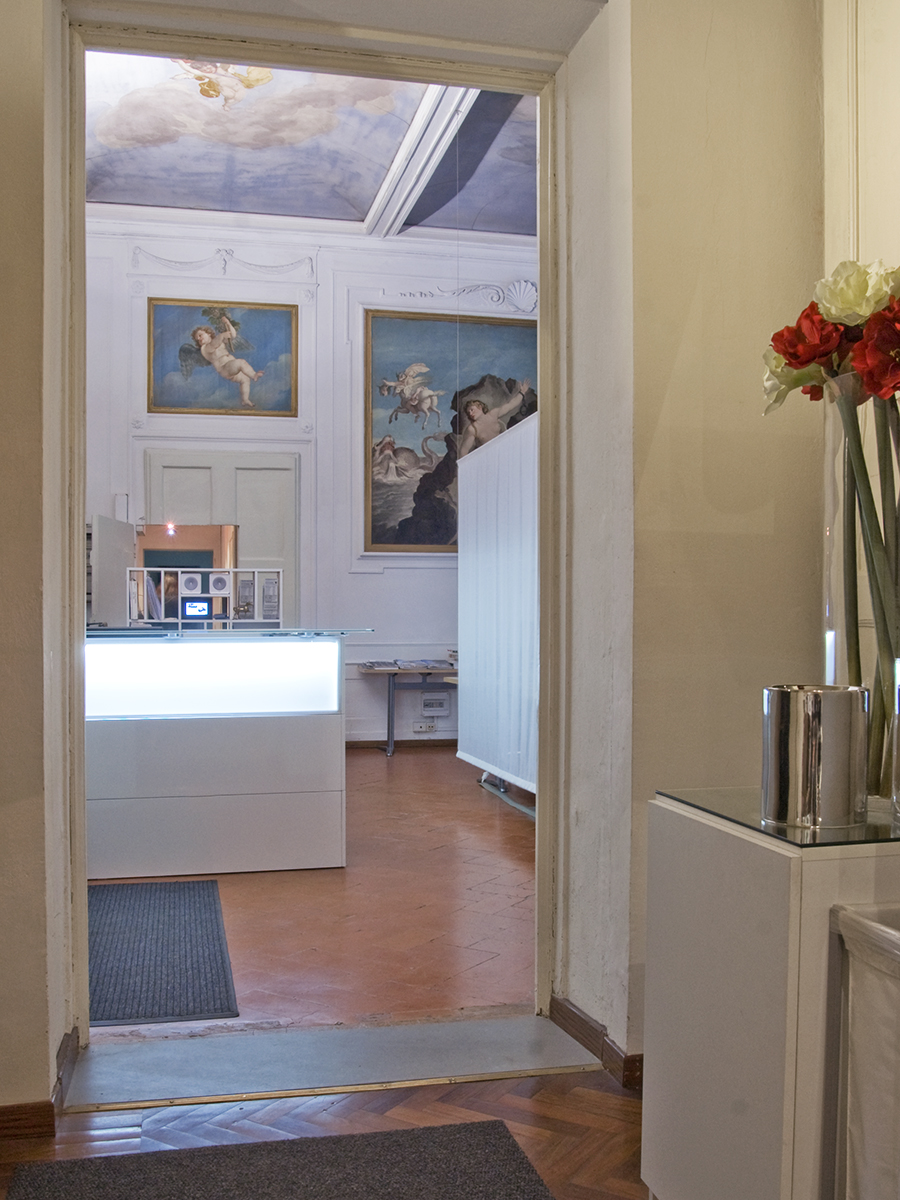

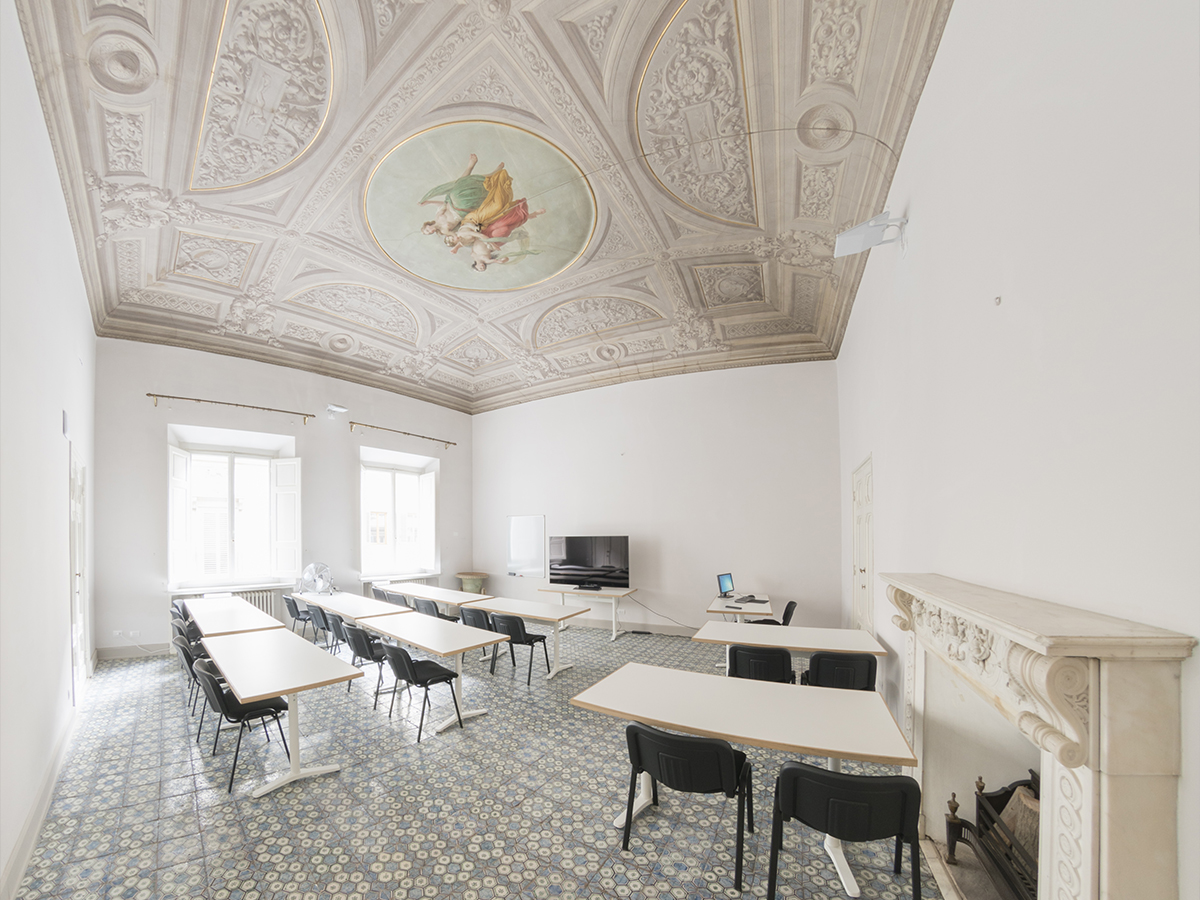


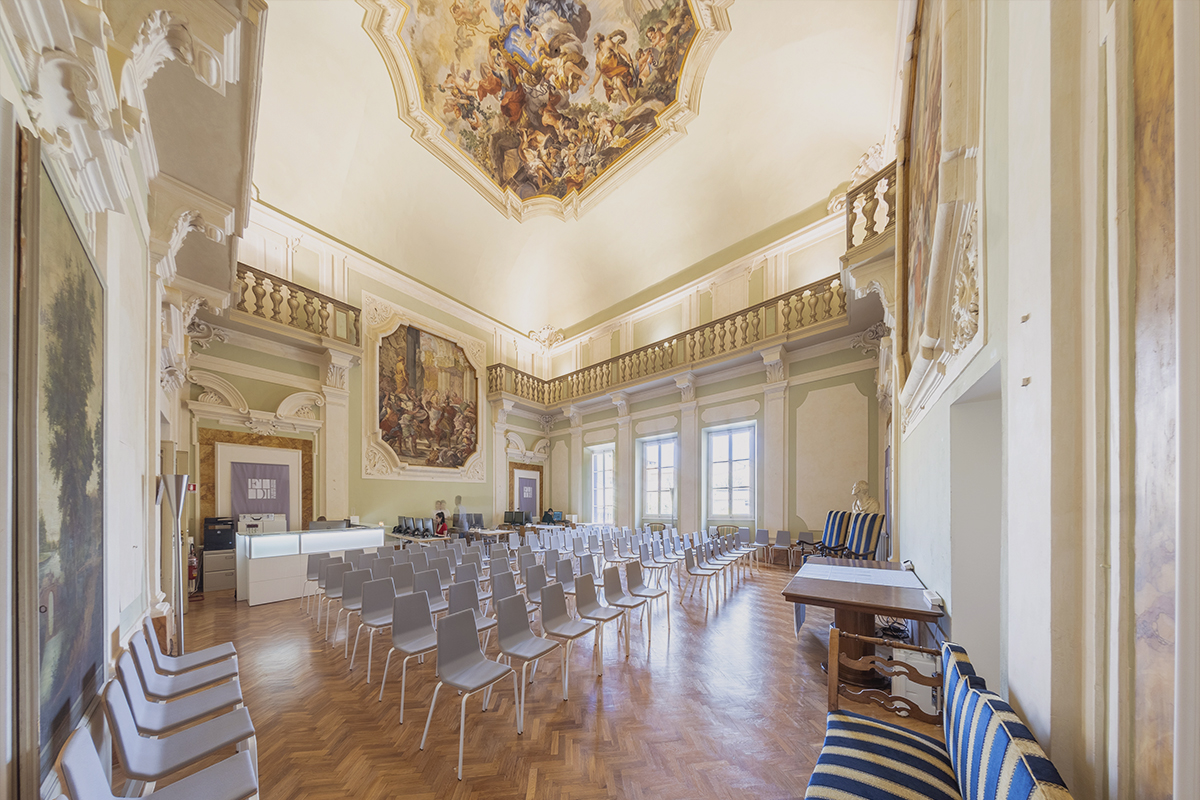



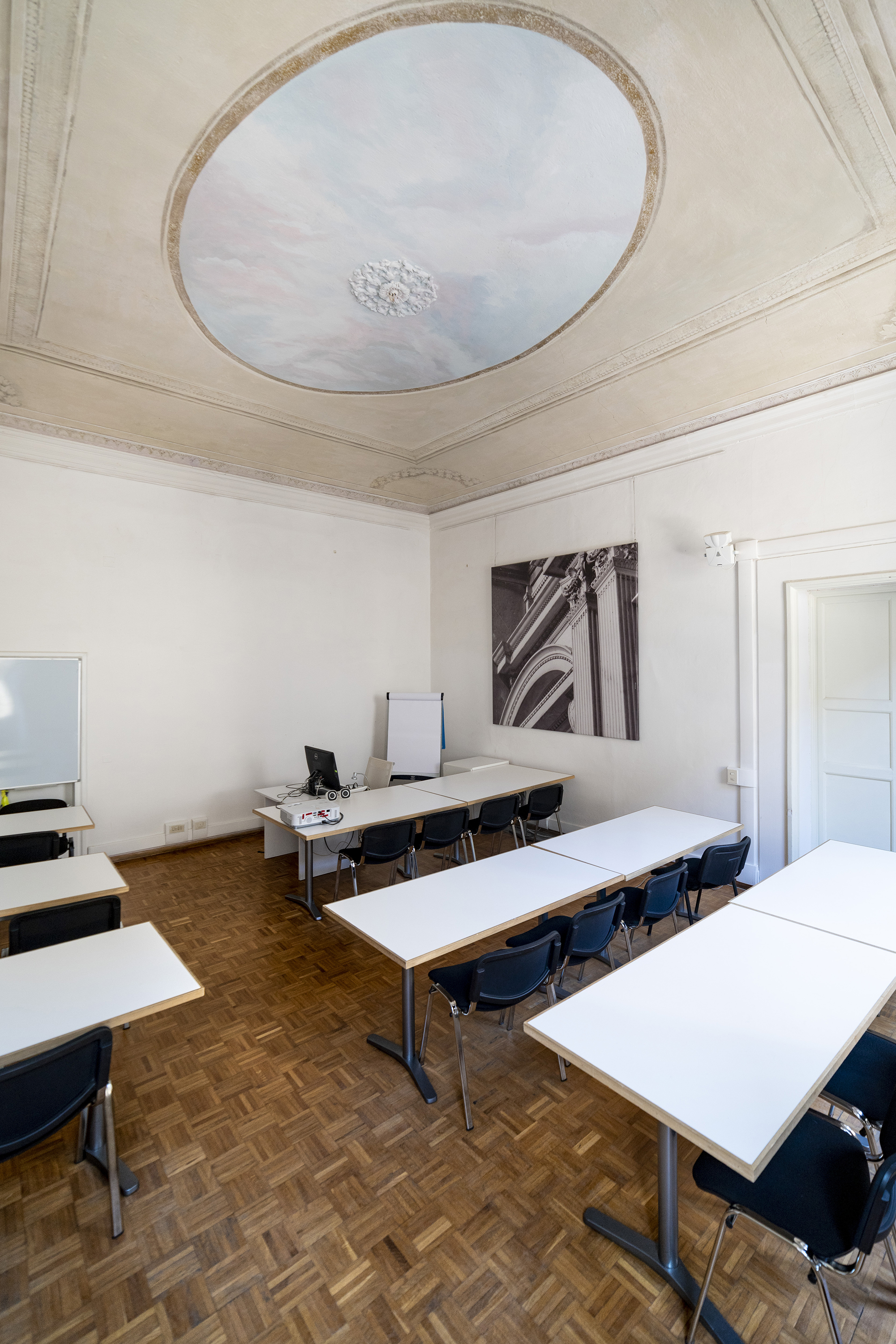
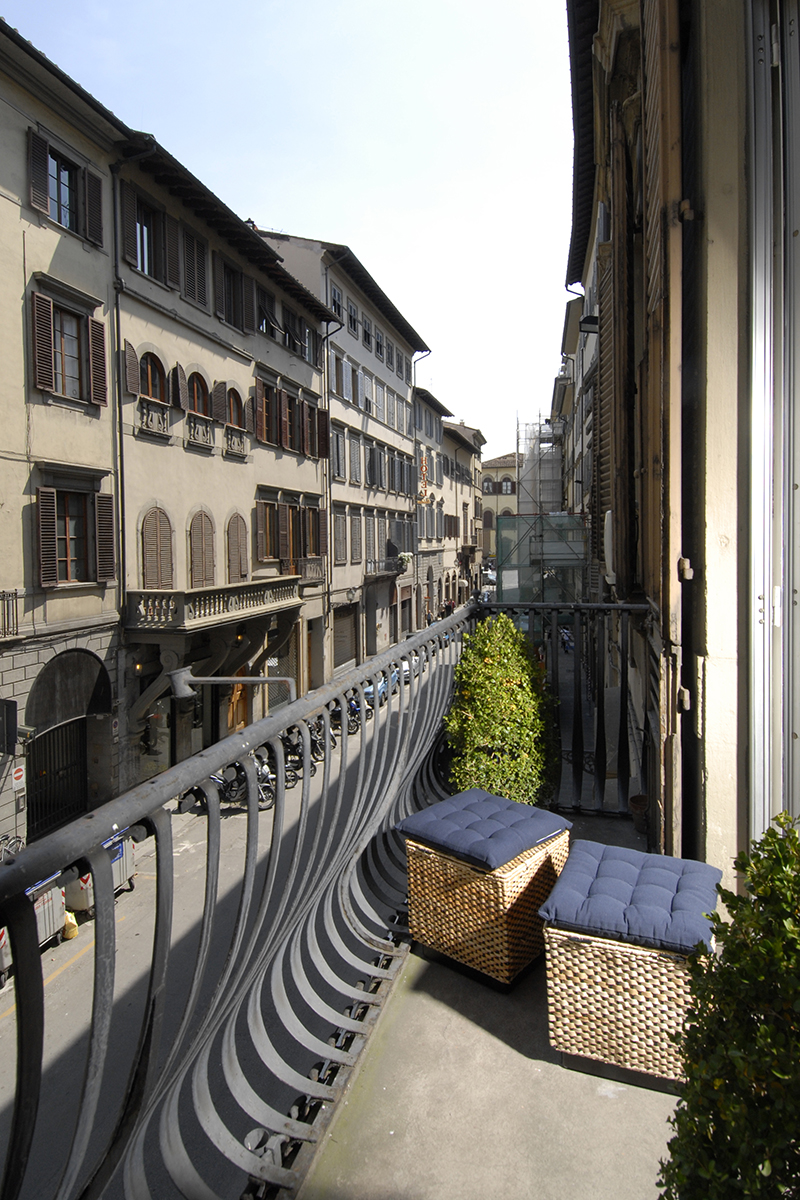

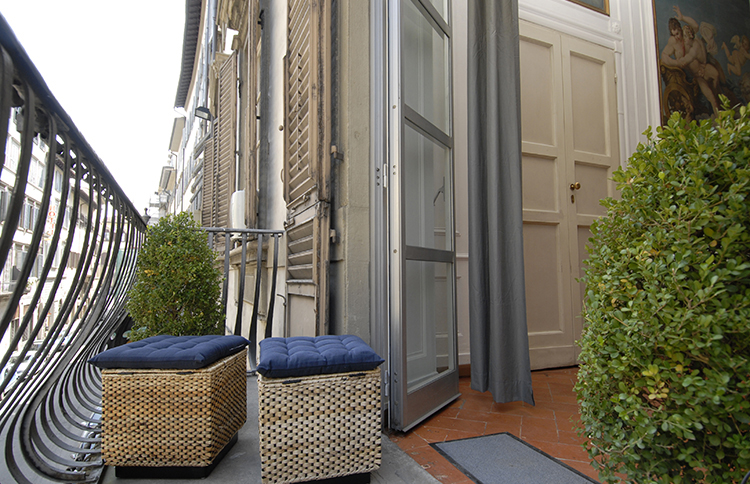

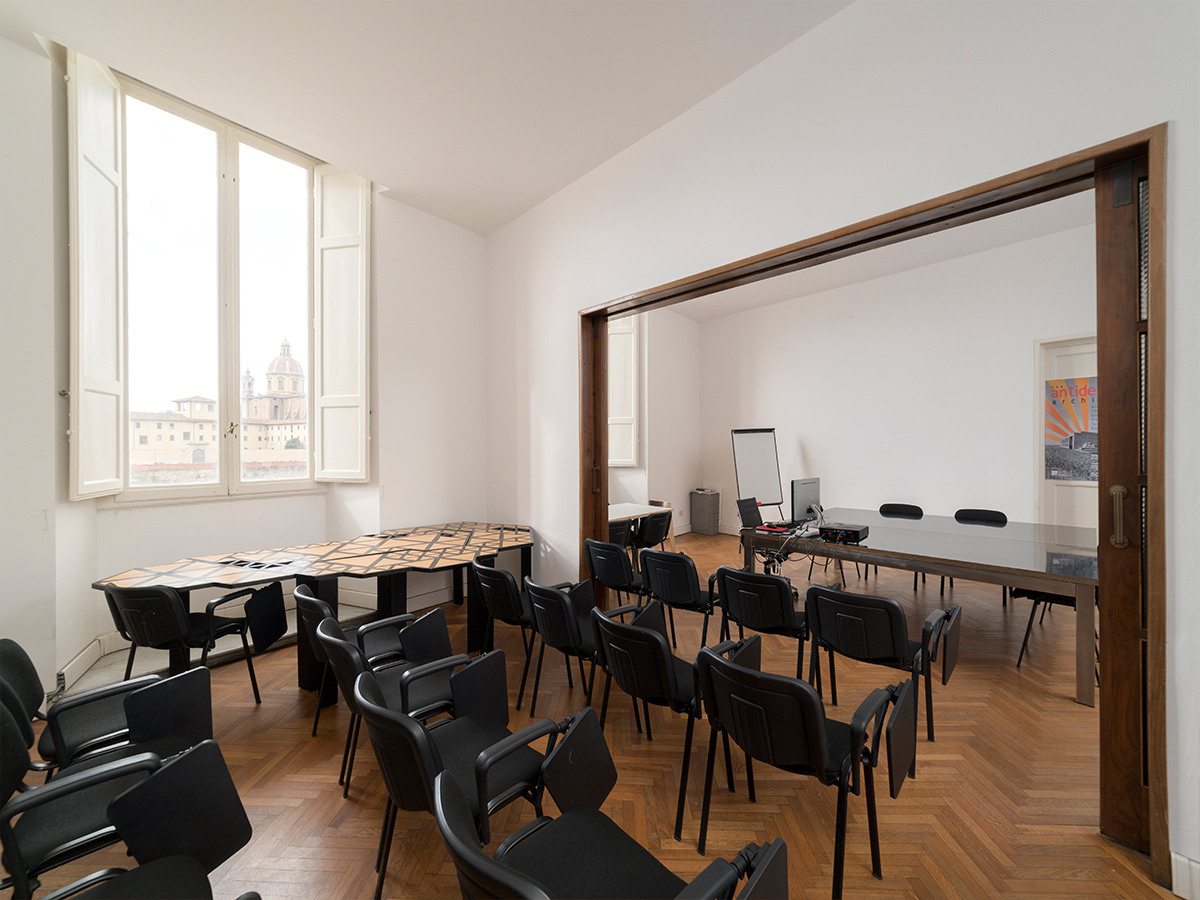

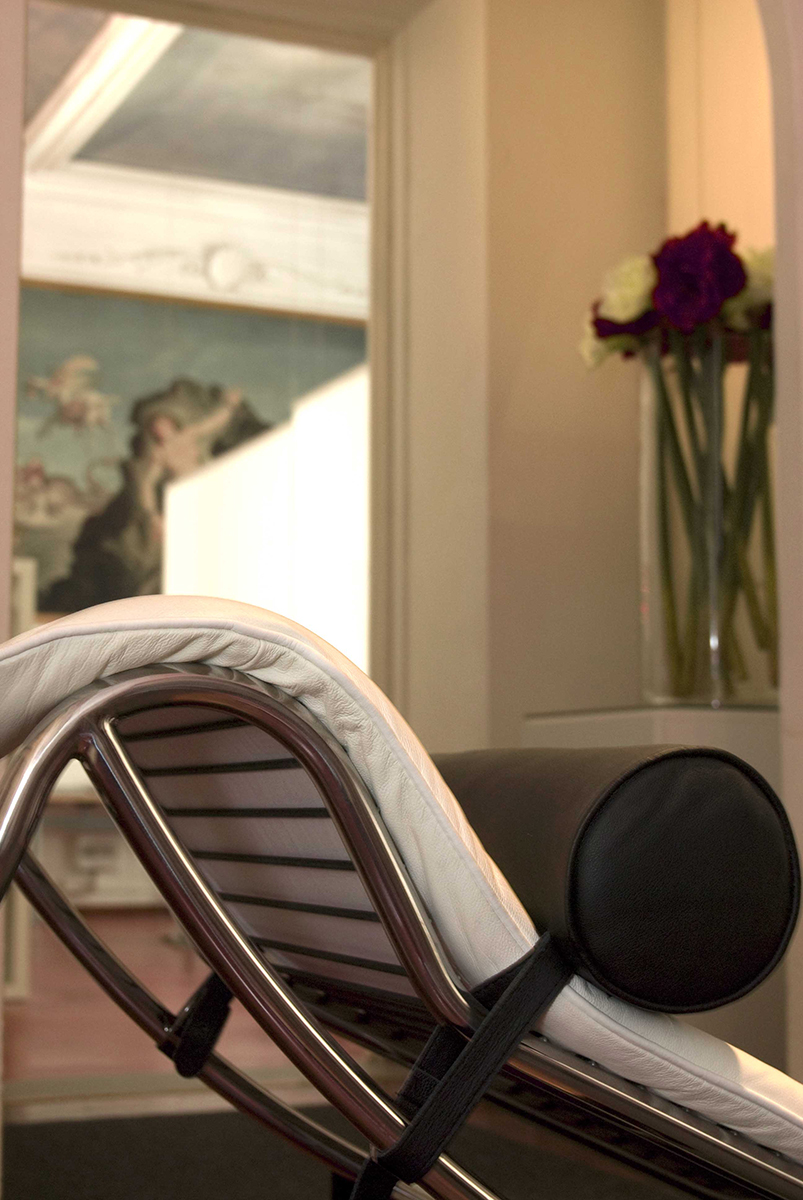
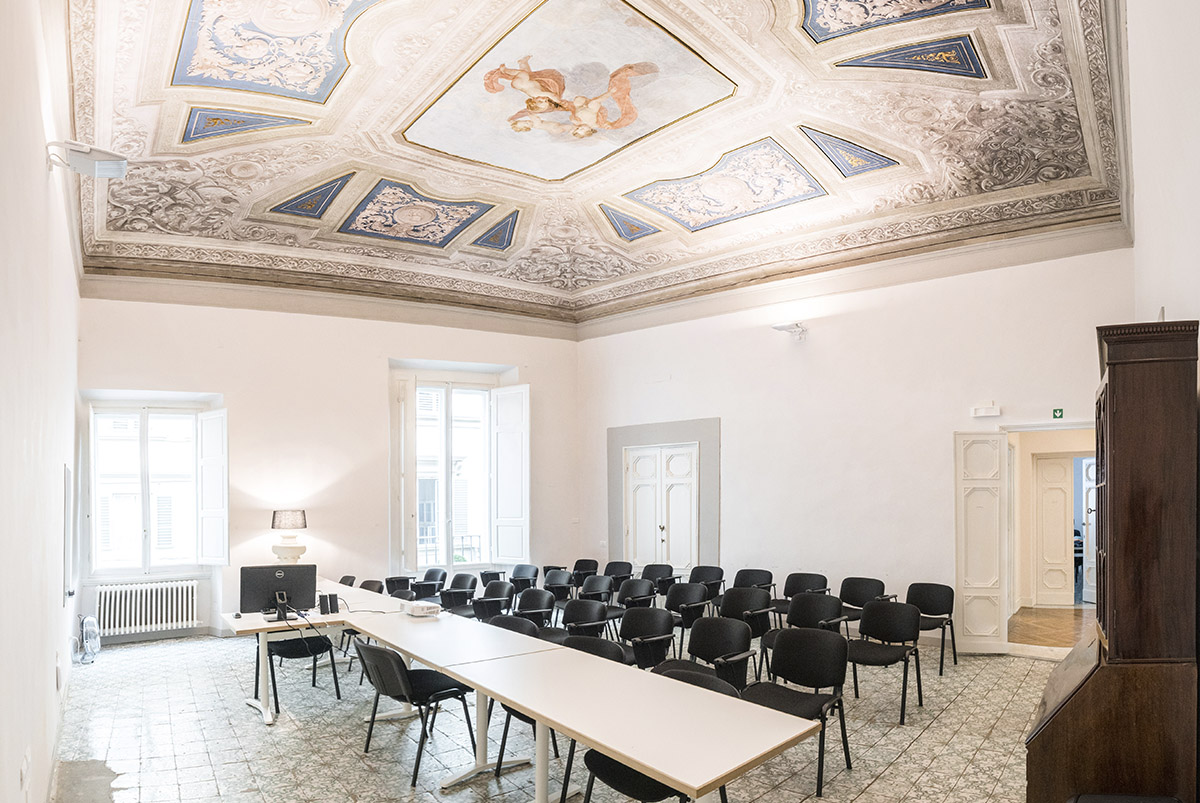

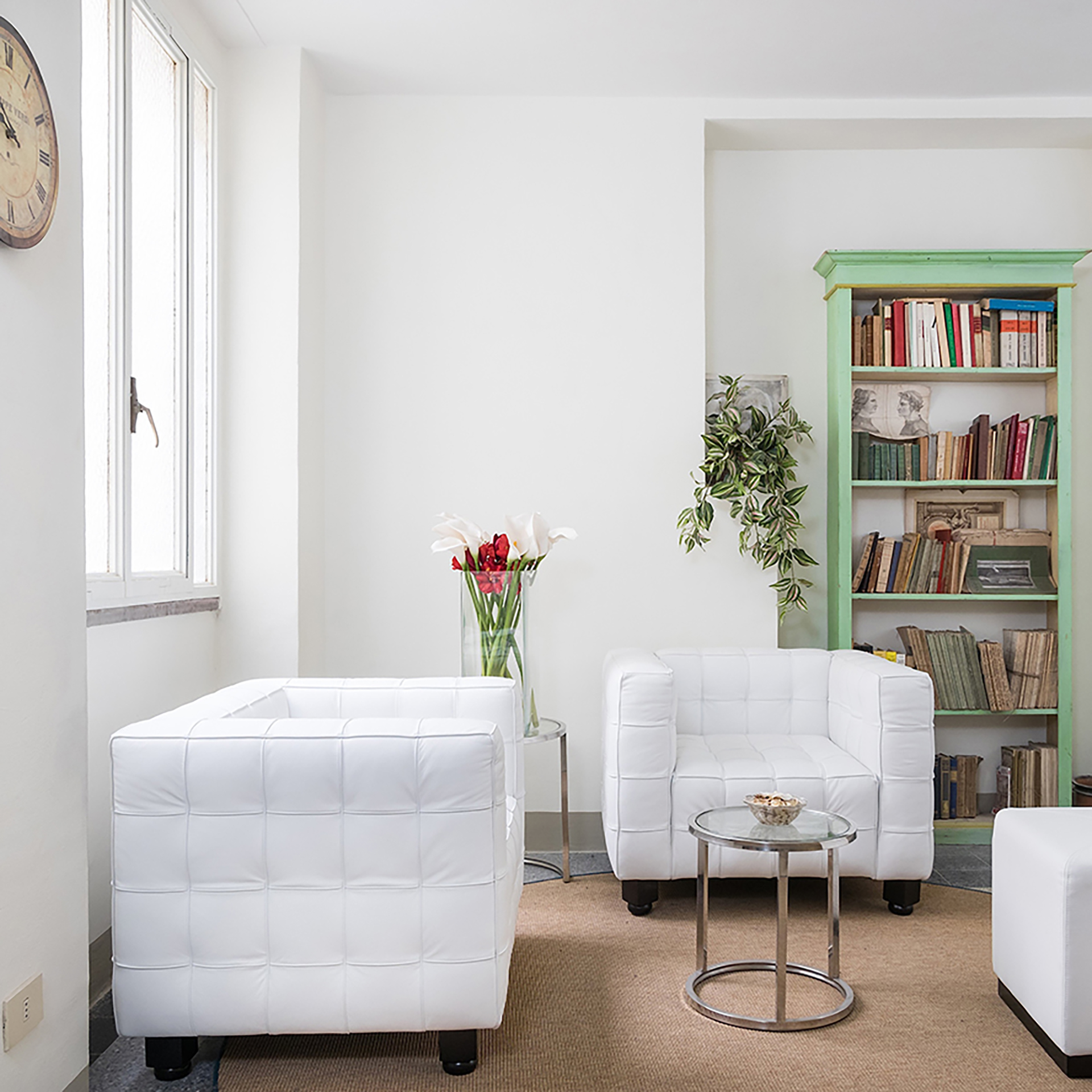
The interior has been transformed into an international school with an elegant décor and spacious design. The soft atmosphere and refined ambiance create an inspirational environment ideal for creative thinking. The large decorated classrooms are well equipped for learning with video monitors and computers. The school's spaces were built during the Baroque period of the 1700’s. The halls are unique examples of royal Baroque interior design, covered with plaster decorations, large colorful paintings and vaulted fresco ceilings. The paintings and frescos depict celestial scenes with cherubs and mythological characters in vividly animated compositions. As Baroque architecture is rare in Florence, all of the school's spaces are historically certified by Italy’s Minister of Culture.
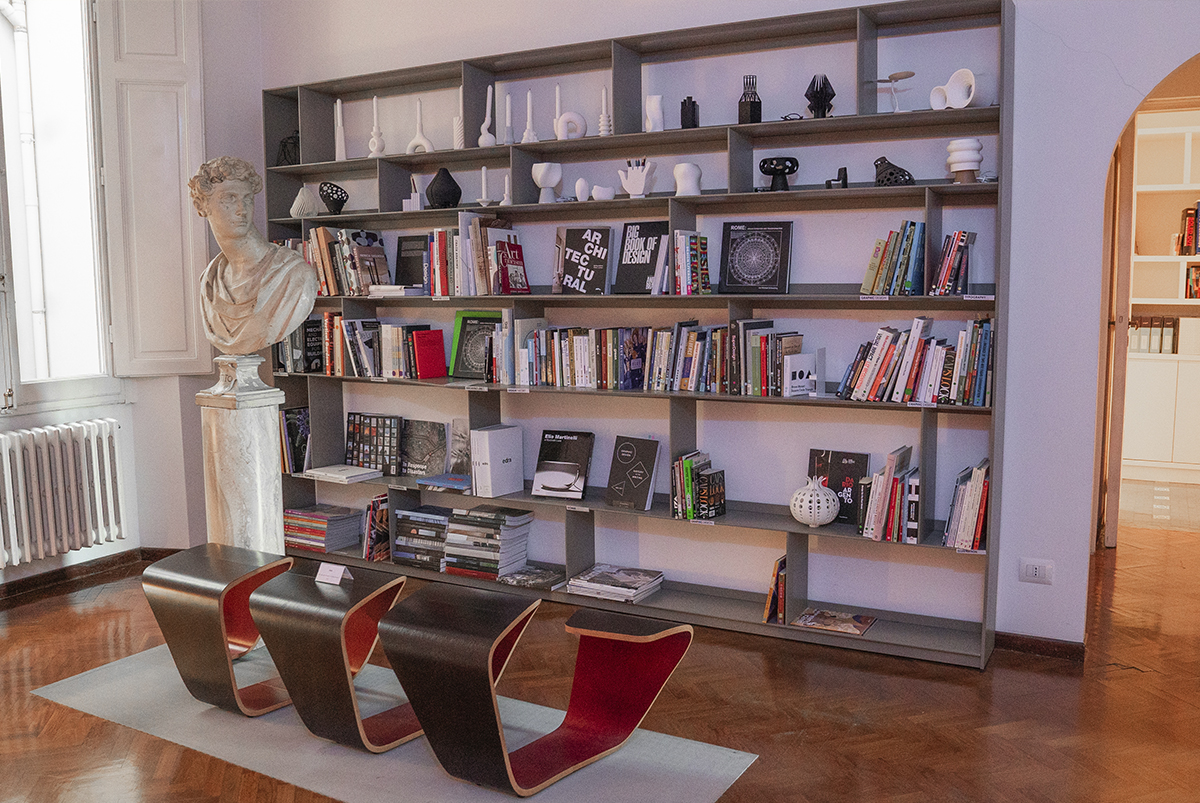
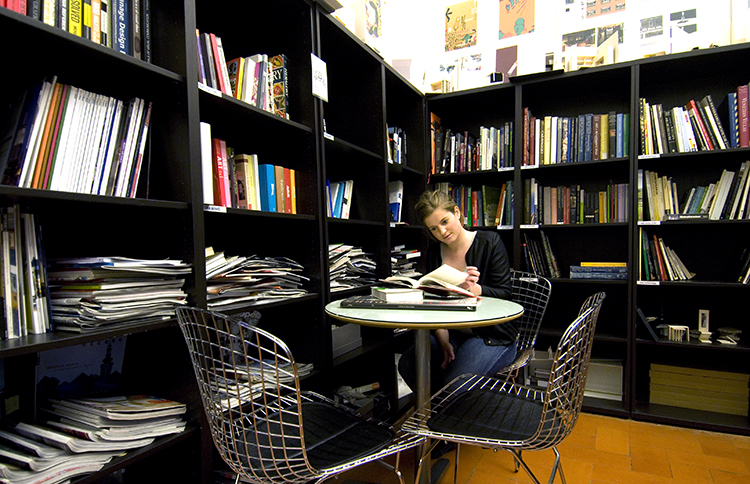
The computer labs contain PCs with high-speed internet access. Our wireless network also allows students to connect their own laptops and devices. The library holds a select collection of books, periodicals and digital resources to support creative thought and provide technical solutions. We invite you to visit our school in the heart of the historic center on Borgo Ognissanti. The area surrounding the school is plentiful with shops, cafés and cultural sites. Within, the school is spacious and well equipped with an elegant décor. Formal visits can be arranged by appointment or you can always stop by during business hours for a brief tour. FIDI provides students with an extensive range of specialist resources supporting the complete design process, from research, drawing and digital modelling through to physical prototyping, photography and final presentation. Resources include dedicated computer workstations, graphic tablets, drawing and model making equipment, digital fabrication tools, specialist measuring equipment, and color printing.
The school's computer resources include more than 60 PC computers, together with dedicated 3D workstations. For students enrolled to 3D printing courses, FIDI has extensive 3D printing capability. Students have access to multiple types and scales of 3D printing rather than a single general purpose machine. The facilities include P1P printers, multi-colour 3d printing and an extra large-format filament printer with an output size of 800×800×1000mm volume, enabling production of larger prototypes. The facilities also include resin 3D printers, giving students experience with different manufacturing processes and precision levels. This technology is complemented by CNC equipment, laser cutter, woodworking, vacuum forming and hand tools. This combination allows students to progress from vector images and 3D modelling to scale models, prototypes, and experimental material studies. The CNC facilities can work with materials including wood, plastic and acrylic for rapid prototyping.
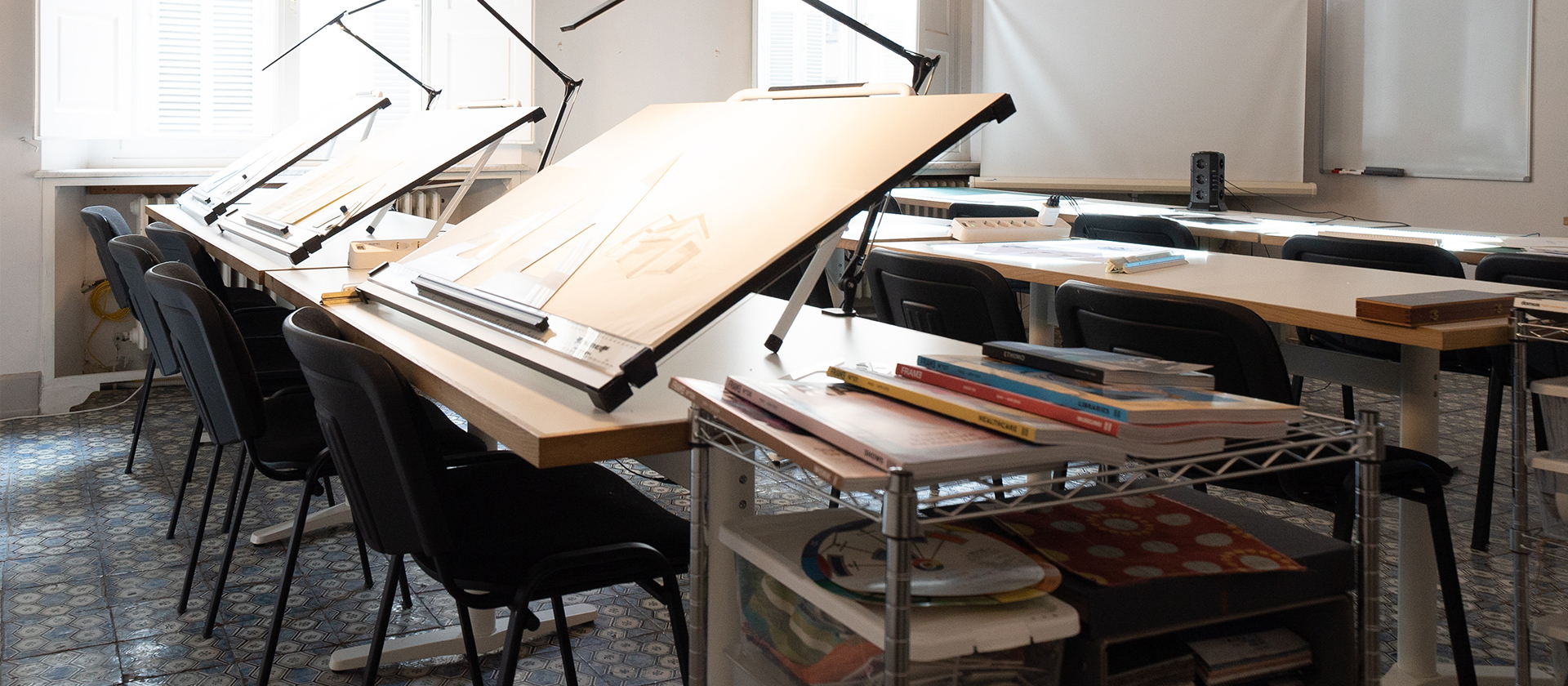
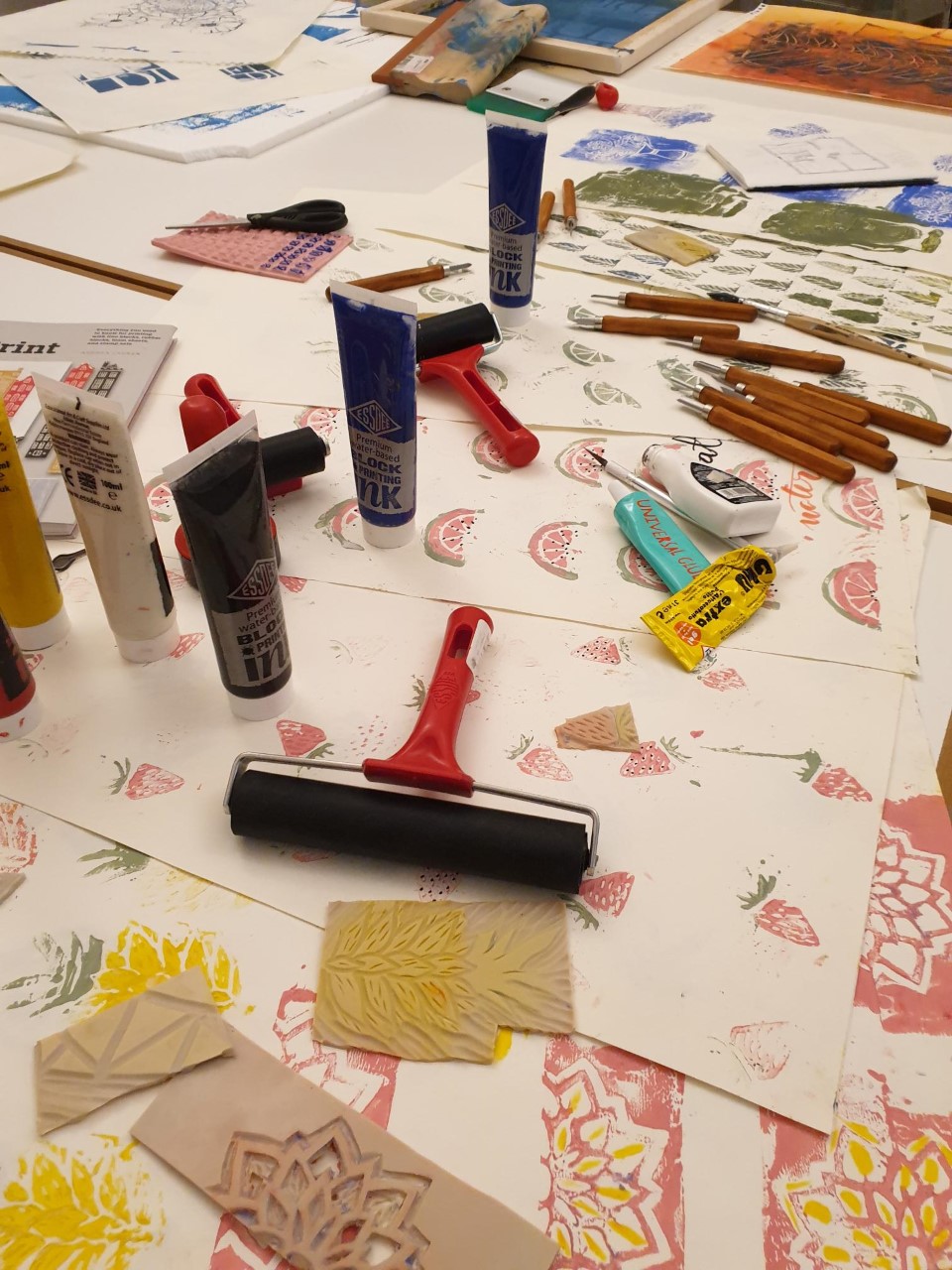
Students have access to two photography labs, each with white, black and green screens. In addition, a substantial collection of DSLR, mirrorless, video and action cameras with wide angle and specialist lenses. The camera equipment is supported by professional photographic lighting and studio accessories. Both photography studios have professional strobe units, colour-gel equipment, RGB lighting, adjustable-colour-temperature LED video lighting, strobe lighting, light boxes and camera stabilisation equipment. This allows photography to become part of the design process. Students have access to also traditional design tools such as drawing boards, LED light tables, Wacom graphics tablets, measuring equipment, laser distance meters and lux meters, alongside materials and equipment for drawing, painting, printmaking, model-making and experimentation.
The school has a large collection of thousands of texts, design catalogs and reference materials that supports research in design, history and theory. FIDI maintains a professional materials library for Interior and Graphic Design, giving students access to a range of physical samples for finishes, fabrics, surfaces, colour and paper samples from leading Italian design manufacturers, including collections from Minotti, Rimadesio, and Pantone, allowing students to work with catalogs used in contemporary design practice.