


academics
Learning in Florence
Florence, Italy is the perfect place to study abroad and experience Italy's rich tradition of art, architecture and design. Courses are structured to gradually develop greater independence, moving from guided exercises and fundamental design principles towards more complex projects requiring individual investigation, critical thinking and independent problem-solving. Students learn to consider the historical, cultural, social, environmental and physical context in which design takes place. Students are encouraged to develop their own design identity rather than follow a predetermined visual or stylistic approach. As a private Italian institution, quality education is provided as a result of a professional staff, quality resources and interactive learning techniques. The school's philosophy is to provide a supportive facility that combines high-quality design education with the resources students need for their academic and creative development. Our experienced teaching staff support students in developing their individual interests while providing the academic guidance needed to progress throughout their studies.
Academic Approach
Courses progress from fundamental design principles and technical skills to increasingly complex projects requiring independent research, critical thinking and professional-level design resolution. Students progressively take greater responsibility for their design decisions, research and project management as they advance through the programme. FIDI offers course options for all classes instructed in the English language. Proof of English skills is needed for all Bachelor degree applicants, TAs and applicants of Financial Aid. Proof of English proficiency is not mandatory for applicants to the Diploma or Master’s courses but proof of formal English study may be requested.
FIELD TRIPS
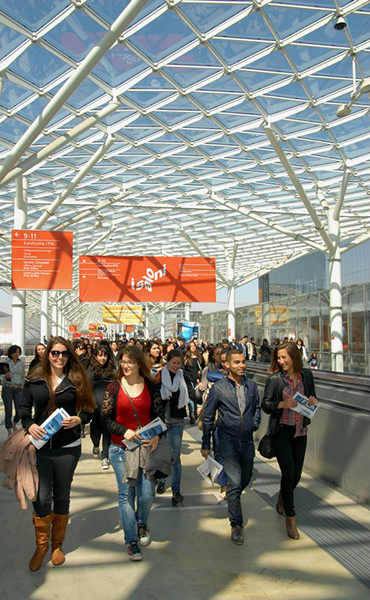
Field trips form an integral part of the learning experience at FIDI, allowing students to extend their studies beyond the classroom and engage directly with Florence's architecture, art, design and cultural heritage. The city's historic buildings, museums, galleries, exhibitions, showrooms and public spaces provide an important resource for observation, research and visual analysis. Visits are integrated into relevant courses and are designed to support topics and projects being studied in the classroom. Depending on the programme, students may examine architecture and interiors, materials and construction details, furniture and product design, exhibitions, museums, design studios and manufacturing processes. These experiences allow students to observe design principles, materials, scale, proportion and spatial relationships in a real-world context. Field trips therefore form part of the curriculum rather than being considered extracurricular activities. Students are required to attend all scheduled visits associated with the courses in which they are enrolled. Students should budget an additional €200 for trip expenses.
LECTURE SERIES
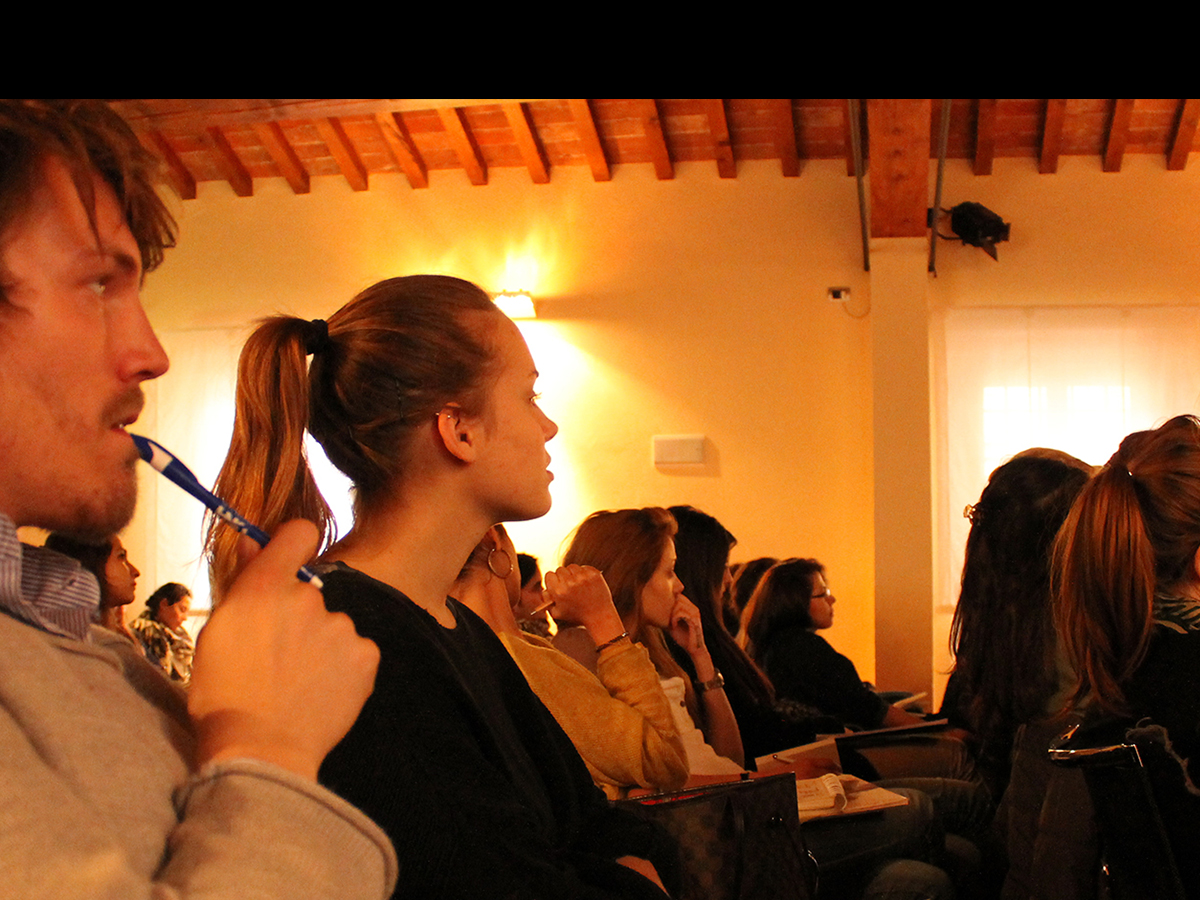
FIDI's lecture series brings students into direct contact with designers, architects, artists and other respected figures from the fields of Italian and international design and culture. Guest lectures complement the academic curriculum by exposing students to a broad range of professional practices, creative approaches and contemporary perspectives beyond the regular classroom environment. Invited speakers share their professional experience, projects, research and design processes, giving students insight into how ideas are developed and applied within professional practice. Lectures may address architecture, interior and graphic design, furniture, visual arts, materials, technology and other areas of contemporary design and culture. The lecture series forms an integral part of the academic programme and provides students with opportunities to engage with practicing professionals and develop a broader understanding of the creative industries. Dates and times are announced in advance, and attendance at all scheduled design lectures is mandatory.
EXAMINATION AND DESIGN PRESENTATIONS
Assessment at FIDI is primarily based on design projects, presentations and portfolios, supported by written and contextual work, research, technical drawings and other practical outcomes appropriate to each course. Assessment methods are designed to evaluate both the final outcome and the student's ability to develop, communicate and resolve design ideas throughout the project. Students receive regular teacher feedback during project development through individual discussions, desk critiques, presentations and formative reviews. This ongoing feedback allows students to identify strengths and areas for improvement, test alternative approaches and progressively refine their work before final submission.

MATERIALS and software
Students should be financially prepared to cover the cost of printing, reading materials, art and model-making supplies, and other materials required for their courses. Students should budget approximately €500 per year for books, software, printing and course materials.
ITALIAN LANGUAGE COURSES
Design students enrolled at the school are also offered Italian language courses while at the Institute. The courses will focus mainly on spoken conversational Italian, with themes relating to common life, travel and business situations including: greetings, days of the week, asking for directions, food, making plans, telling time, purchases and dealing with money and numbers. Advanced level classes will deal with general work and business discussions.
ATTENDANCE
Class attendance is essential. Absences are only excused for documented illness or for an emergency. Three unexcused absences result in a lowering of the grade by a letter. Two late arrivals to class are considered equal to an unexcused absence. Students who do not stay for the duration of a class without being excused will be marked absent. Students who miss more than 25 PERCENTof a course due to unexcused absences will not receive a passing grade for the course. Students enrolled in the Bachelor should note that requirements differ and should reference their student handboodk for program specific attendance requirements.